


Our Projects
Ongoing
TITLE: Capacity Building of Public Schools in Madibou in Waste Management
Year: 2025
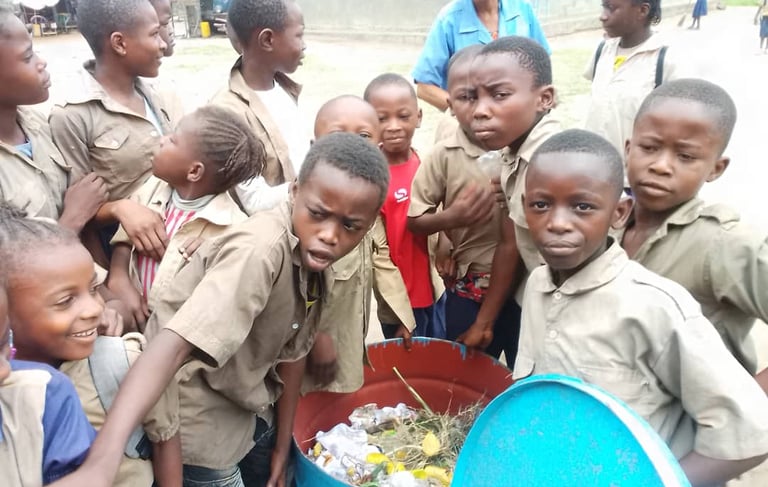
As part of the project entitled “Capacity Building of Public Schools in Madibou in Waste Management,” funded by the French Embassy, the NGO PEA supports 11 public schools over a 12-month period in implementing sustainable waste management practices. The project includes awareness-raising activities, the organization of Clean School competitions, the creation of green clubs, the establishment of waste collection systems, reflection workshops, and the distribution of hygiene kits.
In total, 4,000 students aged 6 to 13 are reached by the project.
Title: Public High School Student Training Program
Year: 2019–2025
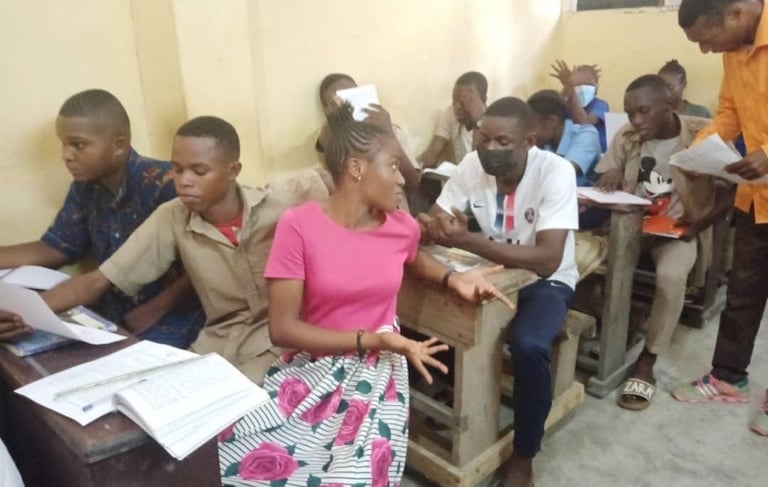
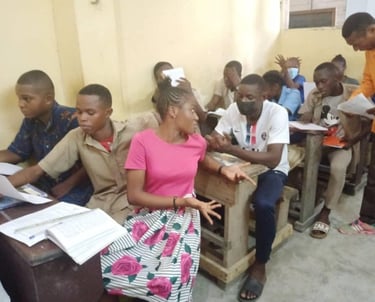
The Public High School Student Training Program, implemented by the NGO PEA, aims to sustainably improve the academic performance of students in Première and Terminale classes in public high schools. These schools often face overcrowded classrooms and a lack of tutorial sessions, offering limited opportunities for students to deepen their understanding of lessons. Under such conditions, many students struggle to assimilate course content and to prepare effectively for national examinations.
Through this program, PEA provides a concrete response to these challenges by organizing training sessions in all key subjects, led by qualified instructors, while also raising awareness and providing guidance to students to enhance their chances of success. The training sessions take place in a suitable learning environment that promotes concentration and effective learning.
To date, more than 650 students have been trained between 2019 and 2025 across streams A, C, D, and L. Among them, over 420 students have significantly improved their academic results in the targeted subjects. The program currently mobilizes more than 20 qualified trainers, selected for their expertise and strong pedagogical commitment.
Impact:
650 students trained since the launch of the program;
420 students have improved their knowledge levels and academic performance;
530 students attended training sessions regularly, representing an 82% performance rate;
95% of participants report satisfaction with the quality of supervision;
Improved exam preparedness and rising success rates in partner high schools;
Enhanced recognition of trainers’ work and increased awareness of the importance of tutorial sessions;
A lasting positive impact on students’ motivation, confidence, and autonomy.
Completed
Our Projects

TITLE: Advocacy for Sustainable Household Waste Management in Brazzaville
Year: 2024–2025
From September 2024 to April 2025, the NGO PEA, in partnership with the WASH Platform, implemented a project entitled “Advocacy for Sustainable Household Waste Management in Brazzaville,” funded by the European Union through the PRECAP-CCOD program.
As part of this advocacy initiative, PEA conducted a documentary diagnostic study on waste management in Brazzaville. In parallel, the NGO facilitated meetings with public authorities and civil society organizations, organized “Zero Waste” petition and media campaigns, with the aim of urging the Government to sign a contract with a specialized agency to replace AVERDA, in order to improve sanitation in the city of Brazzaville.
Impact:
Media campaigns and the “Zero Waste” petition, which collected 2,250 signatures, prompted the competent authorities to sign a five (5)-year contract on April 23, 2025, with the Turkish company Albayrak Waste Management to ensure sanitation services in the cities of Brazzaville and Pointe-Noire.
Title: Capacity Building of Schools in Poto-Poto in Waste Management
Year: 2023–2024
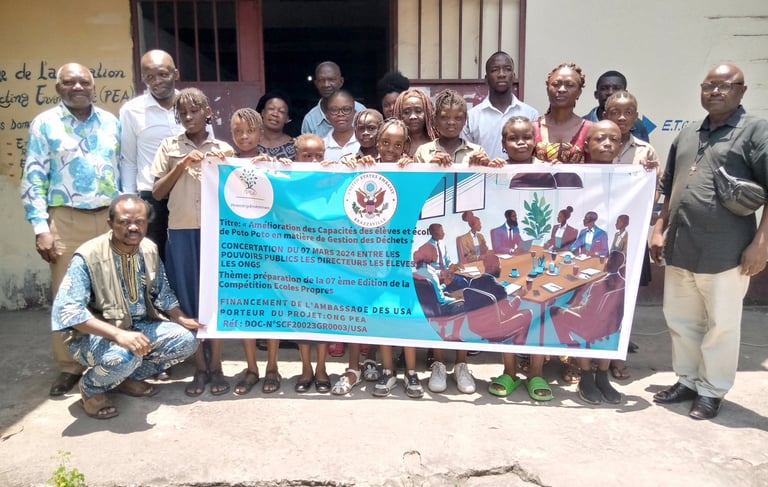
The project “Capacity Building of Schools in Poto-Poto in Waste Management,” funded by the U.S. Embassy, aims to strengthen the ability of schools in the district to manage waste effectively. Through this initiative, the NGO PEA established a framework for dialogue and consultation, raised awareness among 1,000 students and 20 teachers on waste sorting and recycling, and organized the 7th edition of the Clean School Competition, held from April 8 to June 29, 2025, in District 3 (Poto-Poto).
La Poste School ranked first and was declared the winner of the competition.
Title: Bio-Vert Cookstove
Year: 2022–2023
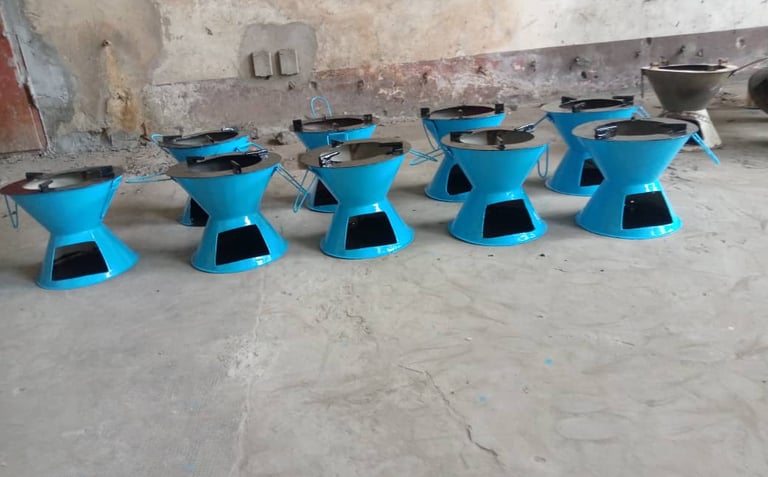
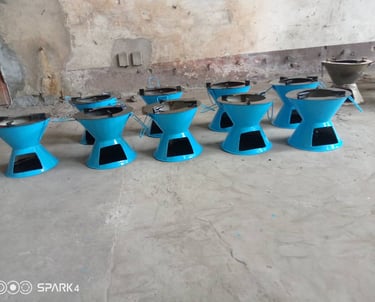
The Bio-Vert Cookstove project, implemented by the NGO PEA, offers an innovative and sustainable solution for household cooking. This improved, fuel-efficient cookstove is designed to retain heat optimally, allowing users to cook with less fuel while reducing greenhouse gas emissions. Ideal for households seeking to reduce their dependence on wood or charcoal, the Bio-Vert Cookstove helps protect the environment while improving users’ quality of life. Through this initiative, PEA promotes the adoption of eco-friendly and efficient technologies, contributing to a more sustainable future for local communities.
As part of the project, 1,000 young girls were sensitized to the importance of using improved cookstoves to help combat climate change and deforestation; 1,000 Bio-Vert improved cookstoves were produced; and 500 households benefited from the advantages of this modern cooking technology, including savings on charcoal and firewood, faster cooking times, and improved time management for women, allowing them to better care for their children and engage in income-generating and household activities. In addition, more than 3 tons of waste (scrap metal) were recycled to manufacture Bio-Vert improved cookstoves.
Impact:
1,000 young girls sensitized to the importance of using improved cookstoves to combat climate change and deforestation;
1,000 Bio-Vert improved cookstoves produced;
500 households benefiting from reduced charcoal and firewood consumption;
Faster cooking, saving time for women and enabling greater focus on family and economic activities;
More than 3 tons of waste (scrap metal) recycled into Bio-Vert improved cookstoves.
Title: Sustainable Waste Management to Combat Climate Change in Schools of District 5, Ouenzé (Funded by the French Embassy)
Year: 2023–2024
The Sustainable Waste Management in Schools of District 5 (Ouenzé) project, funded by the French Embassy, aims to raise awareness and actively involve students and school communities in the fight against climate change. By implementing responsible practices such as waste sorting, recycling, and waste reduction, the project seeks to reduce environmental impact while promoting a healthier living environment. Its objective is to encourage younger generations to adopt sustainable behaviors, thereby contributing to environmental protection and climate change mitigation. This project is part of an educational and proactive approach toward a greener and more responsible future.
Impact:
2,000 students, 20 teachers, and 10 local branches of the Parents’ Association were sensitized to best practices in waste management;
Two Clean School Competitions (5th and 6th editions) were organized, and two schools were declared winners: 3 Martyrs B and 3 Martyrs A respectively;
500 students upcycled waste into table mats, torches, fans, and other useful items;
Two consultation workshops were organized, during which 20 locally adapted solutions were proposed by participants to improve waste management in schools;
Four Green Clubs were created to ensure the sustainability of the project’s outcomes.
Title: Capacity Building of Underprivileged Schools in Mfilou in Waste Management
Year: 2023
The Capacity Building in Waste Management in Mfilou project, funded by the U.S. Embassy, aims to improve waste management practices in this district of Brazzaville. Through this initiative, training sessions were provided to local stakeholders, schools, and communities to promote environmentally friendly practices such as waste sorting, recycling, and waste reduction. The project seeks to strengthen community ownership while implementing sustainable solutions for a cleaner and healthier environment. With the support of the U.S. Embassy, this initiative contributes to making Mfilou a model for sustainable waste management.
Impact:
2,500 students and 22 teachers sensitized to waste sorting, recycling, and waste recovery;
20 solutions proposed by schools to help improve waste management practices;
A framework for dialogue and consultation established to identify locally adapted waste management solutions;
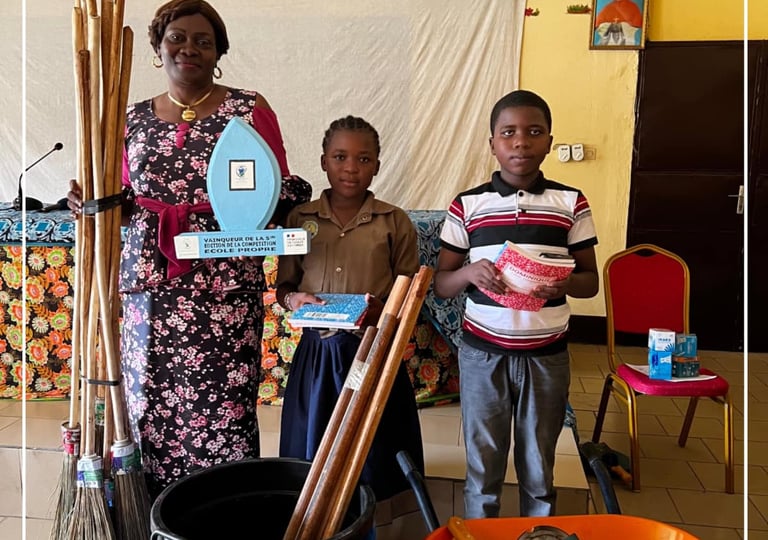
A Clean School Competition (4th edition) organized, with Joseph Moutabala B School declared the winner. The trophy and prizes were presented by Ms. Bisola Ojikutu, Chargé d’Affaires at the U.S. Embassy;
1,000 students upcycled waste into paintings, decorative objects, and toys;
Participation in the launch of the 4th Clean School Competition by high-level authorities, including Ms. Arlette Nonault Soudan, Minister of Environment, Sustainable Development and the Congo Basin; Mr. Eugene Young, U.S. Ambassador to the Republic of the Congo; the Chief of Staff to the Minister of Preschool, Primary, Secondary Education and Literacy (MEPPSA); the Mayor-Administrator of Mfilou; and other distinguished guests;
Four Green Clubs created to ensure the sustainability of the project’s achievements.

Title: Rehabilitation of Latrine Blocks at Alphonse Massamba-Débat School (Funded by Catholic Relief Services – CRS)
Year: 2023
The rehabilitation of latrine blocks at Alphonse Massamba-Débat School, funded by Catholic Relief Services (CRS), aims to improve hygiene and health conditions for students and educational staff. Through this support, the school’s sanitation facilities were renovated and modernized, providing a cleaner and safer learning environment. The project seeks to prevent hygiene-related diseases while raising students’ awareness of the importance of sanitation and cleanliness. The rehabilitation of the latrines represents a key step toward ensuring a healthy learning environment conducive to academic success.
Impact:
9 latrines constructed;
11 water points installed;
2 Hygiene Clubs created;
2 latrine management, maintenance, and monitoring committees established;
A significant reduction in health risks for students related to hygiene-related diseases;
Students sensitized to WASH (Water, Sanitation and Hygiene) principles and encouraged to apply them at school and at home;
A latrine maintenance system put in place, with parents contributing monthly to ensure the sustainability of latrine upkeep.
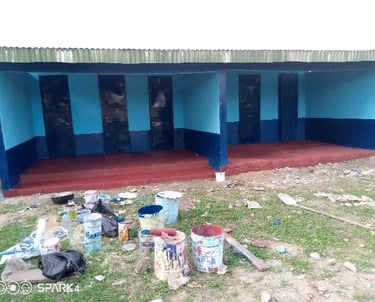
Title: Rehabilitation of Latrine Blocks for Training Centers
Year: 2021–2022
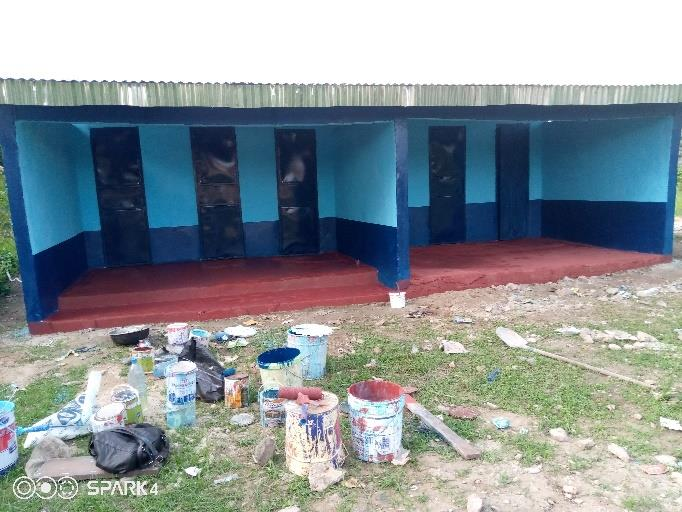
The rehabilitation of latrine blocks within the premises of the National Printing House, funded 75% by the U.S. Embassy, aimed to enable approximately 1,000 learners and other users to access adequate, sufficient, and well-maintained latrines starting in 2021. The project involved the renovation and modernization of sanitation facilities to ensure a clean, safe, and comfortable environment for all learners. By providing appropriate sanitation infrastructure, the project not only helps prevent diseases linked to poor hygiene conditions but also contributes to creating a learning environment conducive to the well-being and empowerment of young girls. This initiative represents an important step toward improving students’ welfare by ensuring appropriate living and learning conditions.
Impact:
12 latrines constructed;
3 water points installed;
1 Hygiene Club created;
1 latrine management, maintenance, and monitoring committee established;
A significant reduction in the risk of hygiene-related diseases among learners;
500 girls had their privacy preserved and now feel confident attending school every day;
A latrine maintenance system established, with training centers contributing monthly to ensure sustainability (purchase of detergents, mops, brushes, brooms, etc.);
Rehabilitated latrine blocks are regularly maintained, resulting in the disappearance of urine and excreta traces in and around the facilities.
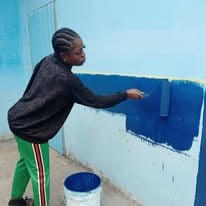
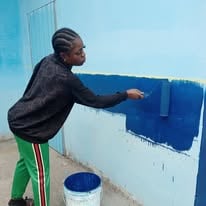
Title: Sustainable Waste Management in District 1, Makélékélé
Year: 2021–2022
The Sustainable Waste Management in District 1, Makélékélé project, funded by the French Development Agency (AFD) through PCPA and CFSI, aims to establish environmentally friendly and responsible waste management practices. The project implements concrete actions such as waste sorting, recycling, and the improvement of waste collection infrastructure. Its objective is to raise awareness among the residents of Makélékélé about the importance of reducing, reusing, and recycling waste, while contributing to environmental protection and improving the living environment. With the support of AFD, this project seeks to transform waste management in the district and make it a model of sustainability for other neighborhoods in Brazzaville.
Impact:
More than 1,000 students sensitized and continuing to apply good practices in waste management and climate change mitigation;
6 out of 10 schools committed to implementing good waste management practices;
Three Clean School Competitions (1st, 2nd, and 3rd editions) organized, with three schools declared winners: Saint Michèle Ngangouon, Angola Libre, and Alphonse Massamba-Débat;
1,000 students upcycled waste into decorative items, tippy-taps (handwashing devices), toilet curtains, toys, and other products;
Four consultation workshops organized, during which 20 locally adapted solutions were proposed to improve waste management in schools;
A framework for dialogue and consultation established;
Four Green Clubs created to ensure the sustainability of the project’s outcomes.
